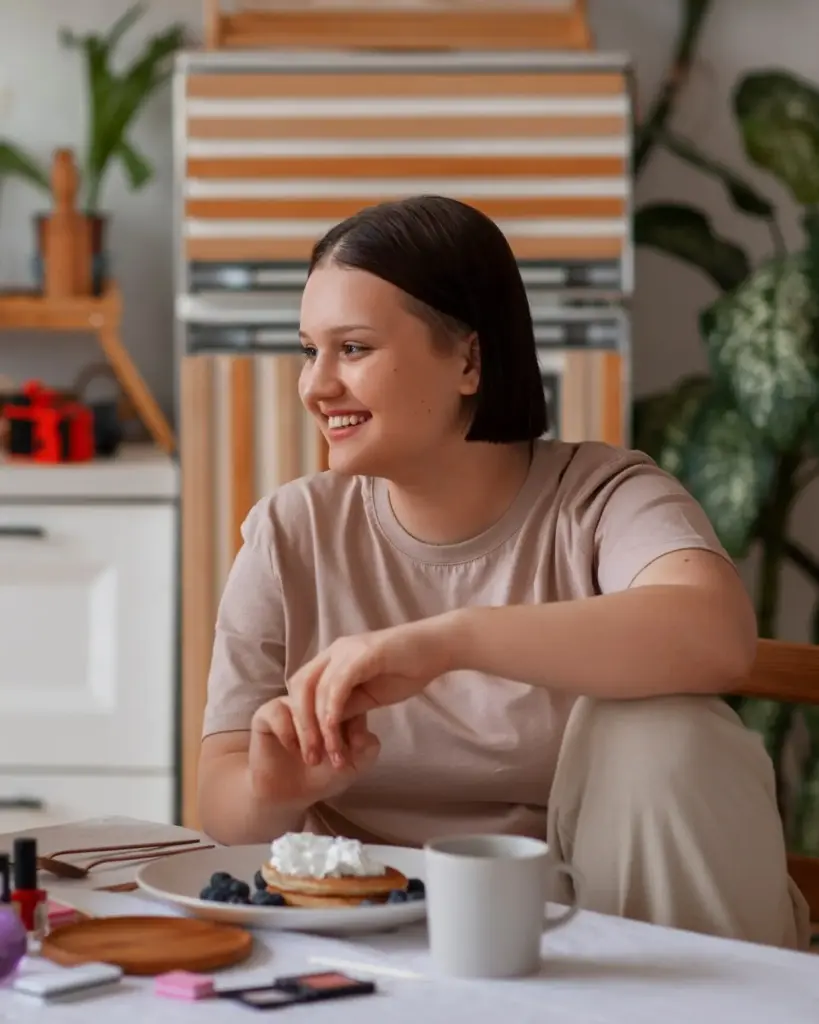
Breathe Before You Bite: A Calm Start for Every Meal

Welcome, friend. Today we lean into pre-meal breathing and pause routines to tame impulse eating, turning a few grounded breaths into the difference between urgent snacking and intentional nourishment. Across these stories, steps, and cues, you will discover how a tiny gap before the first bite relaxes your nervous system, brightens clarity, and invites satisfaction. Take a seat, soften your jaw, and let’s practice making space so hunger can be heard and comfort chosen wisely.

Vagus Nerve, Calm Mind

Slow breathing stimulates the vagus nerve, sending a calm-it’s-safe message throughout your body. As your exhale lengthens, the body exits the alarm state, digestion readies, and tension unclenches. With fewer stress signals clamoring, you can notice true hunger instead of chasing relief. This is not a trick; it’s a biological invitation to ease, allowing thoughtful portions and comfortable pacing to arise naturally from a steadier inner landscape.

Hunger Hormones on Your Side

Breathing before meals doesn’t erase appetite; it clarifies it. By reducing stress arousal, your body interprets signals from ghrelin, leptin, and insulin with less noise. You feel hunger as information rather than a directive to hurry. That shift turns reactive grabbing into curious checking: What would truly satisfy now? With even a short pause, you can align energy needs, flavor preferences, and comfort without spiraling into regret or post-meal heaviness.

Heart Rate Variability as a Compass

Heart rate variability often rises with slow, controlled breathing, indicating resilience and readiness. You do not need a device to benefit, but knowing this measure reflects flexibility can motivate consistency. When HRV-friendly breaths precede your meal, you are likelier to chew slowly, savor textures, and register fullness early. Think of those breaths as a compass, pointing you toward steadier choices when options are abundant and persuasive cravings whisper insistently.

Three Breathing Routines You Can Do Anywhere

Consistency matters more than complexity. These simple, quiet techniques travel with you to the office, a restaurant, the school pickup line, or your own kitchen. They ask for only a minute and offer a surprising sense of grounded presence. Select one routine and practice it before at least one meal daily. Over time, the sequence becomes automatic: pause, breathe, soften the shoulders, then choose. That micro-ceremony transforms impulse into intention without demanding perfection.

Micro-Rituals That Create Space Before the First Bite

Hand-to-Heart Check-In

Place a hand on your chest, feel one slow inhale, and silently ask, What do I need right now? Comfort, energy, celebration, or calm? This loving interruption dissolves the pressure to decide instantly. Pair it with two more steady breaths and a soft jaw. When you then reach for food, the intention behind your choice is clearer, and your portion naturally reflects care rather than urgency, even when delicious options are crowding your attention.

Aroma and Texture Preview

Hover above your plate and take two aromatic breaths, noticing warmth, spices, and subtle notes. Observe textures and colors like an artist. This sensory forecast heightens pleasure and helps the first bite land with meaning, not momentum. When taste intensity rises, speed often falls, and fullness speaks up earlier. The preview isn’t performance; it’s presence, grounding you in the meal you already have, reducing the pull to add more before your body asks.

The Sixty-Second Plate Pause

Set a discrete one-minute timer. During that minute, breathe slowly, adjust posture, and picture your stomach saying, Thank you for checking in. Imagine the next twenty minutes unfolding calmly: chewing, chatting, noticing comfort. This mental rehearsal aligns habits with hopes. When the timer ends, begin without rushing. The pause becomes a friendly doorman, letting in what supports you and gently declining the rest, especially that ill-timed second serving that appears before true hunger returns.

Handling Social Moments and Real-World Pressures

Restaurants, birthdays, busy offices, and family rushes stack distractions that tug choices off course. Breathing and pausing still belong there, just scaled and stealthy. You do not need special equipment or long explanations. A sip of water paired with two slow exhales can be enough. Practice now, benefit later: when the server arrives, when cake slices circulate, when a colleague drops pastries onto your desk. Small skills shine brightest inside lively, imperfect realities.

01

Discreet Breathing at the Table

Keep posture open, inhale quietly as the menu arrives, then exhale while scanning options. If conversation flows, listen while you breathe through the nose, slowly counting in your mind. When the server appears, you’ve already taken three calming cycles, so choosing feels simpler. No one notices; everyone benefits. You enjoy your order more fully, leaving the table satisfied, not secretly tense or overfull from a moment you wished had played out differently.

02

Interrupting a Sudden Craving

Cravings surge and fade like waves. When one rises, perform a single physiological sigh, sip water, and wait thirty seconds. Ask whether you want taste, comfort, or a brief break. If it’s taste, choose a small, beautiful portion. If it’s comfort, breathe two more rounds first. That tiny delay respects real needs and often shrinks the urgency enough to keep choices aligned with how you want to feel an hour later.

03

After a Slip, Reset with Kindness

Everyone has quick-grab moments. Let them teach, not punish. Pause, place a gentle hand on your abdomen, and take three slow breaths. Name one thing you did right, even if it’s simply noticing. Then decide on your very next supportive action: water, a walk, or a calmer, balanced meal later. Kindness shortens the spiral and restores confidence. With practice, resets become automatic, turning detours into data and your steady routine into a trusted ally.

Stories from the Table: Calm Wins in Everyday Life

Real people build these skills under real pressures. Their experiences remind us that change sticks when it feels human, flexible, and kind. You will meet rushed commuters, new parents, and night-shift workers who discovered power in a single minute. No heroics, no perfection. Just breath-led moments that improved comfort, sleep, and self-trust. Let their experiments spark your own, and share yours back so someone else can borrow courage when the day runs hot.

Anna’s Commute Calm

Anna, a bus driver, kept overeating after long routes. She tried one minute of box breathing before opening her lunch tin. The first week, portions felt smaller but satisfaction grew. She noticed flavors again and saved half a sandwich without resistance. Her colleagues asked about the change, and she simply smiled, saying she finally tasted her breaks. Months later, she still breathes first, eats slower, and ends shifts feeling steady rather than drained.

Mark’s Midnight Reset

Mark reached for cereal during late coding sessions, sometimes twice. He taped a tiny note on the cabinet: Sigh, then decide. Two physiological sighs and a glass of water shifted urgency just enough to ask, Hungry or restless? Many nights, he still enjoyed a measured bowl, savoring the crunch. Other nights, he stretched, returned to work, and slept better. The practice didn’t block comfort; it upgraded choices to match the moment’s real need.

A Team Lunch Challenge

A small design team tried a seven-day lunch experiment: breathe for sixty seconds before ordering. Day one felt awkward; day three felt natural. By day seven, several reported less afternoon fog and fewer impulse sides. They laughed about their new ritual and kept it. Their takeaway wasn’t restriction; it was control without tightness. The pause became a shared signal to slow down, fostering connection while quietly improving how everyone felt after meals.

Use a Gentle Hunger–Fullness Scale

Before and after eating, rate your hunger and comfort from one to ten, aiming for curious honesty, not judgment. Pair each rating with two slow breaths. Over a couple of weeks, patterns appear: certain meetings spike urgency, certain breakfasts sustain calm. With this awareness, you can plan pre-meal breaths where they matter most. The scale is not a rule; it is a mirror, helping you listen to your body with respectful attention.

Track Breaths with Beads or Apps

Slip a small bead bracelet onto your wrist and slide a bead after each pre-meal pause, or log a quick note in your favorite habit app. The physical click or digital checkmark provides instant satisfaction and continuity. On tough days, seeing past beads reminds you these skills are real. Your streak is not about perfection; it is about identity: I am someone who takes one minute to begin meals with calm and care.

A Simple Seven-Day Starter

Day one through seven: sixty seconds of box breathing before your main meal, paired with a brief hunger–fullness check. Jot one sentence each day describing how the first three bites felt. If a day goes sideways, celebrate any tiny pause you still managed. This structure is deliberately small, friendly, and repeatable. By week’s end, you will have evidence that breathing changes meals, and meals change days, all without complicated rules or rigid expectations.

Share Your Insight in the Comments

Tell us what shifted when you breathed first: portion size, taste satisfaction, or evening calm. What obstacles still tug at your choices, and which small adjustments helped? Your experience could unlock progress for a reader facing similar circumstances. Ask questions, request accountability, or offer a favorite ritual. This is where strategies become stories, and stories become momentum. We read every note and love learning how these practices land in real kitchens.
Pirazeranariviro
Privacy Overview

This website uses cookies so that we can provide you with the best user experience possible. Cookie information is stored in your browser and performs functions such as recognising you when you return to our website and helping our team to understand which sections of the website you find most interesting and useful.