

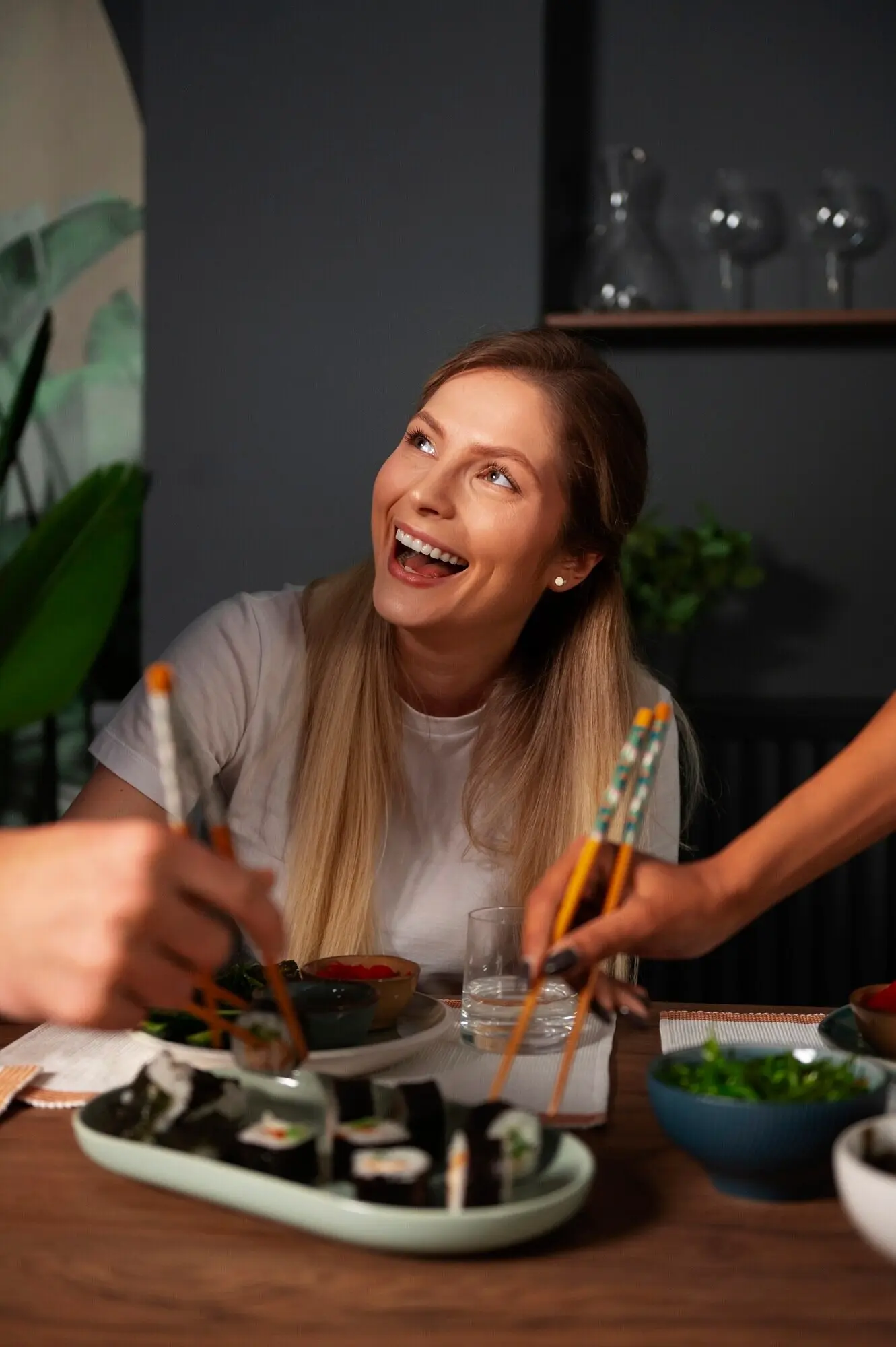
Small Rituals, Big Nourishment

Welcome! Today we focus on Mindful Mealtime Micro-Habits—tiny, repeatable actions that gently transform eating from autopilot into nourishing presence. Across these sections, you will practice small pauses, sensory curiosity, compassionate pacing, and simple table rituals that fit real schedules. Expect practical steps, personal stories, and research-backed nudges you can use at breakfast, lunch, dinner, or quick snacks, whether alone or with loved ones. Try just one idea now, save another for tomorrow, and share discoveries with our community to inspire supportive momentum.

Setting the Table for Presence

Environment shapes attention, and small changes matter. A clear plate, calm lighting, and an intentional seat can cue your brain to slow down. In this block, you will craft simple arrival rituals that require almost no time, yet dramatically improve awareness, satisfaction, and gentle self-trust.

Breath, Pause, and Gratitude

Breathing before bites calms the nervous system, increases digestive readiness, and reconnects awareness with subtle hunger and fullness signals. Simple pauses also brighten flavor. Here, you will practice gratitude and check-ins that take seconds yet steadily reshape choices, helping stress soften while satisfaction grows.

Senses as Guides, Not Judges

Curiosity unlocks satisfaction faster than criticism. Exploring color, aroma, temperature, and texture turns each bite into a small story your attention wants to follow. When senses lead kindly, cravings soften, portions right-size naturally, and enjoyment expands without forcing restrictive rules.

Color and Aroma Scan

Before tasting, name three colors and one scent, even if subtle. This anchors presence quickly while priming digestion through salivation. You may notice fewer autopilot bites because attention is happily engaged, already receiving pleasure without needing to rush toward the finish.

Texture Storytelling

Describe the first mouthful with playful words—crisp, tender, springy, velvety—then compare the second. Storytelling keeps your mind in the present and invites slower chewing. Satiety signals register more clearly when textures are noticed, turning ordinary meals into genuinely satisfying experiences.

Flavor Map

Imagine a small internal compass noting sweet, salty, sour, bitter, and umami across the tongue. Ask which direction leads today’s plate. Mapping gently replaces judgment with curiosity, opening room for balance tweaks and helping cravings feel seen, not fought.


Smaller Utensils, Bigger Awareness

Try a teaspoon or chopsticks for tricky foods. The slight inconvenience becomes mindful pacing, not punishment. People often report equal satisfaction with less food when pace slows naturally. It is not scarcity; it is noticing. Let your body suggest when enough arrives.

Tempo Training

Choose one micro-habit for rhythm: place utensils down every few bites, sip water between courses, or match chewing to a calm four-count. A consistent cadence supports digestion, reduces reflux, and reveals flavors previously blurred by hurry, tension, and distracted multitasking.

Comfortable Stop Point

Play with stopping at a comfortable point, around pleasantly satisfied rather than stuffed. Pause five minutes before serving more. If comfort remains, celebrate and store leftovers. If hunger returns, eat again kindly. Trust builds when the body learns you are listening.

Micro-Habits On Busy Days

Life gets messy, yet micro-habits travel well. Between meetings, during commutes, or wrangling family schedules, you can still claim brief islands of presence. These strategies adapt without perfectionism, bringing steadiness to vending-machine snacks, takeout boxes, and hurried cafeteria lines.

Desk Lunch Upgrade

Even if you must eat at your desk, clear a letter-sized space, close extra tabs, and turn your chair slightly. Take three breaths, then taste intentionally for the first minute. This small pocket of care prevents afternoon fog and mindless grazing.

Commuter Calm

When eating on a train or in a rideshare, stabilize the container, lower your shoulders, and chew with a longer exhale. Name two flavors aloud softly or in your head. Even moving environments can host grounded, respectful nourishment that steadies your mood.

Takeout with Intention

Transfer takeout to a plate, add something fresh, and sit down. Read the menu description once to anticipate textures and flavors. This tiny ceremony flips convenience into care, reducing overeating and helping you notice when enjoyment peaks before fullness turns heavy.

Community, Conversation, and Compassion

Shared meals can amplify presence or scatter it, depending on pace and conversation. Instead of rigid rules, try signals, rituals, and kindness that include everyone. These practices invite laughter, listening, and consent around food while encouraging gentle boundaries that respect individual needs.

Family Signals

Agree on a simple signal before eating, like setting forks down together for a pause. Parents modeling slow bites helps children internalize intuitive cues. Keep language neutral and curious, avoiding labels like good or bad. The signal becomes playful, not policing.

Shared Silence Minute

Begin with sixty quiet seconds, even in a lively group. Listen for distant sounds, feel chair support, and smell the food. Ending together with a smile resets energy and reduces competing chatter, so conversation unfolds more thoughtfully and everyone tastes more clearly.

Kind Words for Yourself

Notice self-talk during meals. Replace harsh commentary with compassionate phrases like I am learning, I can pause, or Enough is safe. Gentle language reduces shame spirals that fuel extreme swings, supporting steady choices and more honest, relaxed satisfaction day after day.

Keep the Conversation Going

Learning sticks when shared. Tell us which small shift helped most, and what felt tricky. Post a comment, invite a friend, or start a tiny group chat. Collective experiments build momentum, turn setbacks into stories, and make mindful meals feel welcoming, realistic, and joyful.

Share One Micro-Win Today

Name a single micro-habit you practiced at your last meal, however imperfect. Celebrate specifically, like noticing aroma or pausing mid-bite. Small wins predict consistency better than rare perfection. Your example might inspire another reader to try one supportive breath before dinner tonight.

Weekly Prompt Subscription

Subscribe for a brief weekly nudge: one micro-practice, one reflective question, and a tiny recipe tweak. Emails are short enough to read while water boils. Hit reply with your experiences, and we will feature community insights to inspire gentle, sustainable progress.
Pirazeranariviro
Privacy Overview

This website uses cookies so that we can provide you with the best user experience possible. Cookie information is stored in your browser and performs functions such as recognising you when you return to our website and helping our team to understand which sections of the website you find most interesting and useful.