Portioning with Intention: Plate and Utensil Strategies for Satiety
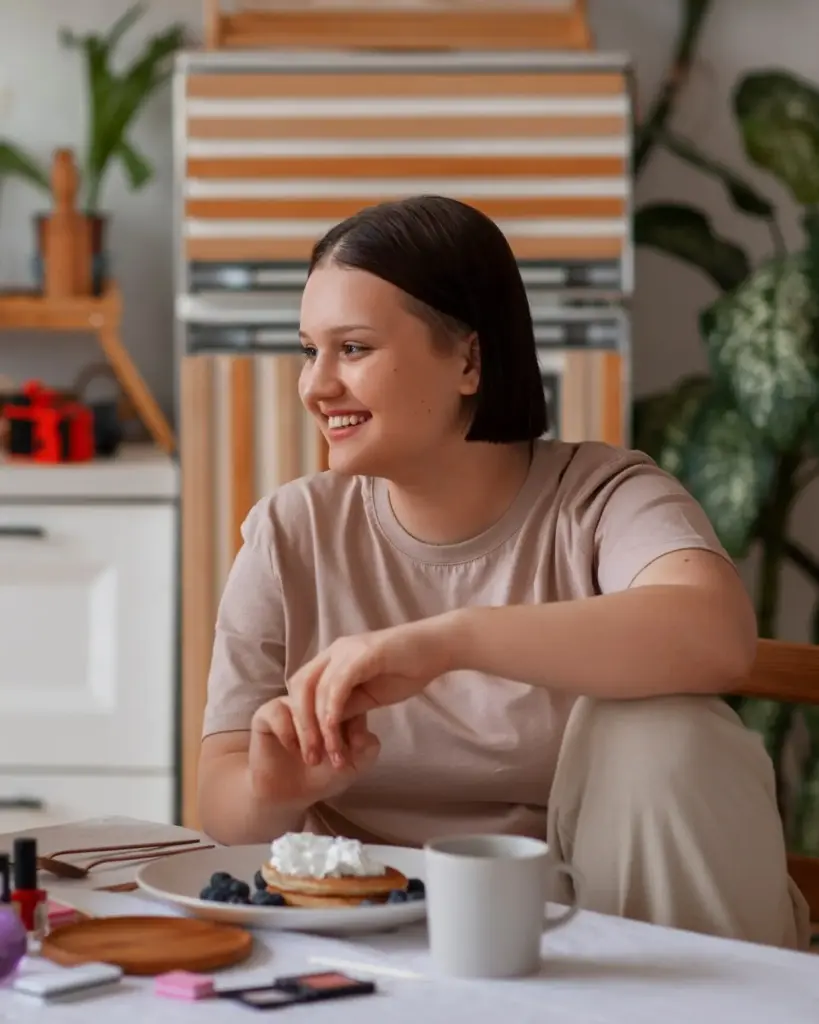
Seeing Satisfaction: How Plate Size and Design Guide Appetite
Smaller Plates, Bigger Signals
A smaller plate frames food with generous borders, making a moderate serving appear abundant. This leverages the Delboeuf illusion, where surrounding space alters perceived size. Try swapping a large dinner plate for a salad plate, plating deliberately, then pausing. Notice how expectation, first impressions, and bite pacing shift when your eyes read plenty before your first taste.
Color Contrast That Counts
When food and plate share similar colors, portions can appear smaller, encouraging extra scoops. Create contrast instead: bright vegetables on neutral stoneware, tomato sauce on white, creamy grains against darker ceramics. High contrast improves boundary recognition and mindful stopping points. Pair this with a deliberate garnish line to mark edges, reminding your brain where satisfying completion naturally lives.
Rims, Bowls, and Depth
Wide rims and shallow bowls spotlight the food center, amplifying fullness cues at a glance. Deep bowls hide volume and can invite overserving, especially for pasta or cereal. Choose vessels that showcase surface area, not hidden depth, then gently mound ingredients to build height. Elevation, not excess, gives a lush impression while honoring comfortable, sustainable portions.
Utensils That Teach Pace
Fork Tines and Bite Volume
Spoons, Soup, and Slower Savoring
Chopsticks and Deliberate Motion


Plating Playbook: Arrange Food to Feel Full
Utensil Parking Breaks
Sips, Pauses, and Check-Ins
Prep for Success: Tools and Portions Before the Plate
Containers That Pre-Decide Portions
The Honest Scale and the Friendly Ladle
Batch Cooking with Built-In Boundaries
Environment Matters: Table, Lighting, and Distraction
Single-Serve Mindset at Family Tables
Family-style serving can be joyful yet tempting. Plate individual portions in the kitchen, then bring the platter for vegetables only. This blends abundance with intentionality, making seconds a conscious choice rather than a reflex. Keep serving spoons modest to slow momentum. Guests still feel cared for, while your plate remains the star, guiding appetite toward comfortable closure.
Placemats, Plates, and Plate Zones
Use a placemat to frame your dish, then imagine gentle zones: vegetables as the landscape, protein as the anchor, starch as the border. This visual map reduces drift and accidental overflow. Keep water to your non-dominant side as a built-in pause cue. Small, repeated moments of alignment turn into steady, satisfying meals that feel thoughtfully composed.

Stories, Tracking, and Tiny Wins
All Rights Reserved.