Portioning with Intention: Plate and Utensil Strategies for Satiety
We explore portioning with intention, revealing how plate size, color contrast, utensil choice, and eating tempo can nudge your brain toward comfortable fullness without deprivation. Expect practical experiments, evidence-informed insights, and friendly rituals you can try tonight, turning every plate into a guide that supports satisfaction, calm decisions, and steady energy.

Seeing Satisfaction: How Plate Size and Design Guide Appetite

Your eyes lead your appetite more than you think. Visual illusions, especially the Delboeuf effect, can make identical servings look different depending on plate size, rim width, and contrast. By designing the visual field thoughtfully, you can steer portions toward enoughness, enhance meal enjoyment, and reduce accidental overeating without counting every gram or feeling restricted.

Smaller Plates, Bigger Signals

A smaller plate frames food with generous borders, making a moderate serving appear abundant. This leverages the Delboeuf illusion, where surrounding space alters perceived size. Try swapping a large dinner plate for a salad plate, plating deliberately, then pausing. Notice how expectation, first impressions, and bite pacing shift when your eyes read plenty before your first taste.

Color Contrast That Counts

When food and plate share similar colors, portions can appear smaller, encouraging extra scoops. Create contrast instead: bright vegetables on neutral stoneware, tomato sauce on white, creamy grains against darker ceramics. High contrast improves boundary recognition and mindful stopping points. Pair this with a deliberate garnish line to mark edges, reminding your brain where satisfying completion naturally lives.

Rims, Bowls, and Depth

Wide rims and shallow bowls spotlight the food center, amplifying fullness cues at a glance. Deep bowls hide volume and can invite overserving, especially for pasta or cereal. Choose vessels that showcase surface area, not hidden depth, then gently mound ingredients to build height. Elevation, not excess, gives a lush impression while honoring comfortable, sustainable portions.

Utensils That Teach Pace

Fork Tines and Bite Volume

Subtle design features change how much food rides each bite. A slimmer fork with tighter tines encourages modest mouthfuls and extra chews, extending flavor time and satisfaction. Test it: plate your meal, then alternate bites using different forks. Track how long you eat, how focused you feel, and where comfortable stopping naturally arrives compared with yesterday’s routine.

Spoons, Soup, and Slower Savoring

Soups and stews are perfect for intentional pacing. Choose a smaller soup spoon and breathe between sips. The rhythm of scooping, cooling, tasting, and resting gives internal satiety hormones time to speak up. Add texture contrasts like tender beans or barley to promote chewing. Let steam and aroma cue slower enjoyment while portions remain pleasantly moderate and complete.

Chopsticks and Deliberate Motion

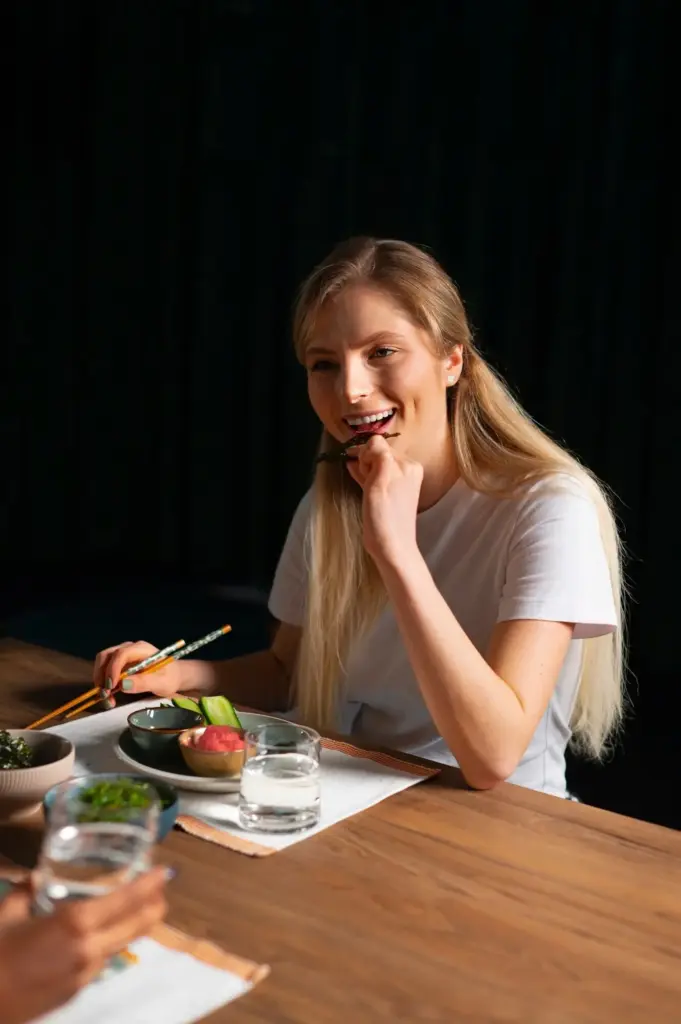
Chopsticks introduce gentle friction to eating, asking your hands to move with focus. This disrupts autopilot, shrinks bite size, and boosts attention to texture and temperature. Start with cooked vegetables, tofu, or noodles. If learning, allow playful imperfection and plenty of pauses. The aim is not difficulty, but a naturally lengthened meal that ends at satisfying enough.

Plating Playbook: Arrange Food to Feel Full

Arrangement shapes perception before the first bite. Prioritize volume-rich, fiber-forward ingredients at the visual forefront, then layer proteins and concentrated starches with intentional borders. Use height, color contrast, and tidy negative space to declare a plate complete. These small choreography choices invite slower eating, clearer satisfaction cues, and fewer impulsive seconds after the final mouthful.

Utensil Parking Breaks

After each bite, set utensils down, exhale, and check in with flavor rather than scanning the plate. This tiny break resets autopilot, encourages chewing, and makes the next bite a chosen act, not a reflex. Pair with a quiet sip of water. Over ten minutes, these micro-pauses compound into steadier pace and clearer, kinder stopping points.

Sips, Pauses, and Check-Ins

Alternate bites with small sips of warm tea or water to cleanse the palate and slow momentum. At the meal’s midpoint, ask two questions: What would make the next three bites excellent, and how close am I to satisfied. This reframes progress, invites intention, and opens room for finishing gracefully or saving the rest for later.

Prep for Success: Tools and Portions Before the Plate

Decisions made in the kitchen set the stage for calm eating. Pre-portioning with containers, scoops, and ladles builds helpful defaults that remove guesswork. Keep a simple scale for tricky foods, but rely mostly on visual anchors shaped by your plates. With smart prep, reasonable servings appear automatically, inviting ease, enjoyment, and consistent satisfaction day after day.

Containers That Pre-Decide Portions

Designate go-to containers that represent your typical meal volume. Fill them before plating, then pour onto your chosen vessel. This translates practice into effortless consistency. Reserve smaller jars for nuts, sauces, or dressings, since concentrated foods quietly expand portions. Over time, your eyes memorize these boundaries, freeing attention for flavor, company, and the pleasure of eating calmly.

The Honest Scale and the Friendly Ladle

A kitchen scale supports learning, especially for dense foods like cheeses or granola. Pair it with a ladle that roughly equals your preferred soup or stew portion. Use both sparingly as training wheels, then transition to visual guides. The scale builds initial accuracy, while the ladle creates reliable scoops that align with comfort, warmth, and lasting satisfaction.

Batch Cooking with Built-In Boundaries

Cook once, portion many. Divide a pot of chili or roasted vegetables into individual containers before chilling. Cooling increases starch resistance in some foods, improving texture and planned portions later. Label with simple cues like hearty lunch or light dinner. Future you opens the fridge to ready-made, right-sized meals that feel generous yet balanced and beautifully intentional.

Environment Matters: Table, Lighting, and Distraction

Context shapes appetite as surely as ingredients. Gentle lighting, a clear table, and familiar plates tell your brain a meal is happening and deserves attention. Remove visual clutter and digital noise. Play unhurried music. Even a folded napkin can cue dignity and pace. When the setting supports presence, portions satisfying enough emerge naturally without constant negotiation.

Single-Serve Mindset at Family Tables

Family-style serving can be joyful yet tempting. Plate individual portions in the kitchen, then bring the platter for vegetables only. This blends abundance with intentionality, making seconds a conscious choice rather than a reflex. Keep serving spoons modest to slow momentum. Guests still feel cared for, while your plate remains the star, guiding appetite toward comfortable closure.

Placemats, Plates, and Plate Zones

Use a placemat to frame your dish, then imagine gentle zones: vegetables as the landscape, protein as the anchor, starch as the border. This visual map reduces drift and accidental overflow. Keep water to your non-dominant side as a built-in pause cue. Small, repeated moments of alignment turn into steady, satisfying meals that feel thoughtfully composed.

Stories, Tracking, and Tiny Wins
Sustainable change grows from noticing, not policing. Collect gentle data through photos, short reflections, and hunger ratings before and after meals. Celebrate micro-successes like using a smaller spoon or nailing visual contrast. Share experiments with friends, invite feedback, and refine. Each small, repeatable practice compounds, building effortless portion confidence and deeply satisfying, everyday meals.
Pirazeranariviro
Privacy Overview

This website uses cookies so that we can provide you with the best user experience possible. Cookie information is stored in your browser and performs functions such as recognising you when you return to our website and helping our team to understand which sections of the website you find most interesting and useful.